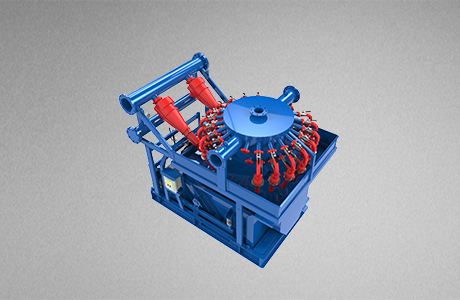
A solids control system is indispensable in the operations because of reduction in environmental impact, lowering overall drilling costs, and improving drilling efficiency. Such a system protects the drilling equipment from wear by efficiently removing solid particles from the drilling fluid, keeps mud performance stable, minimizes waste generation, and promotes drilling in safer and more environmentally friendly ways.
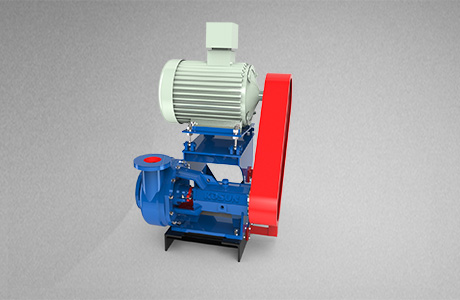
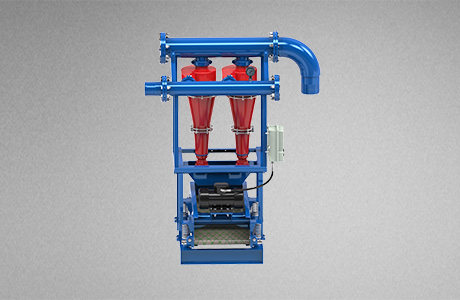
The solid control system, also called a drilling fluid purification system, is mainly utilized to control the solid phase and purify solid-liquid during the drilling process. It aims to ensure stable drilling fluid properties and allow economic mud recycling. It normally consists of 3–7 mud tanks with five-stage solids control, each equipped with mixing, dosing, and weighting equipment. Each single processor may work independently or in an integrated way according to the well depth and the requirement for mud properties. It works for rigs of 500–9000 meters and 250 HP to 3000 HP land rigs, including well-repair units.
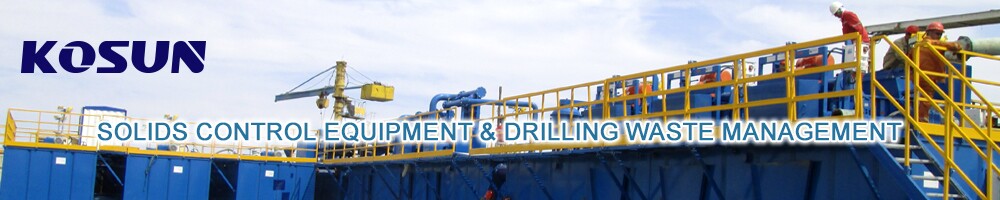
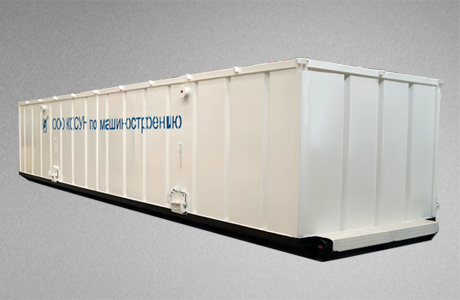
KOSUN solids control systems are designed to be both skid-mounted and mobile. They can also be designed for specific environmental conditions, such as low-temperature polar regions or deserts, meeting a wide range of operational requirements.

Advantages of the KOSUN Drilling Waste Disposal System:
Small footprint with modular design permits flexible layout and installation.
Corrugated, load-bearing mud tank sidewalls for increased strength and service life over 10 years.
Angled tank bottom plates facilitate easy removal of the settled solids.
Systemwide process design meets purification, degassing, and chemical mixing in different mud systems and working conditions.
Compatibility with multiple drilling environments, including low-temperature, high-temperature, sandy, and corrosive conditions, for both onshore and offshore operations.
Fluid-handling equipment engineered for corrosion and wear resistance.
Simple maintenance of equipment and disassembly are supported by professional tools.
Suitability for long rail and sea transport.
Centralized system control with both local and remote operation modes.