Nov 20, 2026
An HDD mud recycling system must be sized to the returning fluid volume and solids load, not the rig's pullback force or nominal tonnage. KOSUN outlines the technical factors that determine whether a system performs or fights its feed.

Processing capacity and tank volume
Size capacity from the mud pump's rated and actual flow, expected return flow across drilling stages, cuttings type and loading, and operating conditions (bore length, hole diameter, drilling method, fluid losses, peak return flow). Verify rated capacity against expected operating flow and solids load; margin depends on equipment design, formation, and project conditions rather than a fixed percentage.
Capacity and tank volume serve different functions. Processing capacity sets how much returning fluid is treated over time; tank volume provides storage, mixing, and circulation. A larger tank does not compensate for insufficient processing capacity, and a high-flow cleaning unit does not provide storage or mixing capacity.
Configuration by formation
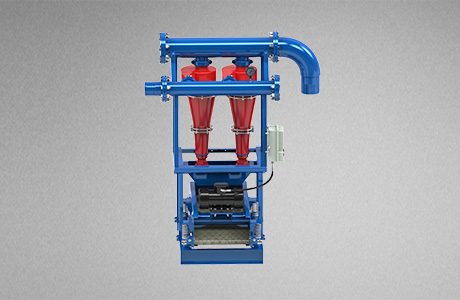
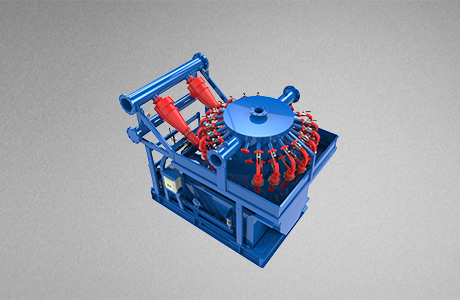
Sand, gravel, cobble: abrasive solids accelerate pump and circulation wear. Configure a shale shaker for larger cuttings, a desander hydrocyclone for coarse sand, and sized tanks and transfer pumps. Specify wear-resistant, replaceable hydrocyclone liners and shaker screens.
Clay, silt, sticky formations: fines pass shaker screens and affect viscosity and filtration behavior. Add desilter hydrocyclones or a decanter centrifuge. Dispersed clay requires fluid testing, dilution, and chemical treatment; reactive clay warrants an HDD drilling-fluid specialist.
Mixed formations and river crossings: combine shale shaker, desander, desilter, and other treatment equipment; add a decanter centrifuge where fluid properties and operating economics justify fine-solids separation. Select multi-stage configuration on actual conditions, not by assumption.
Starting points: compact screening systems for short, small-diameter urban bores with low solids loading; shale shaker plus desander for municipal gas and water pipelines where sand removal dominates; multi-stage solids control for long-distance or complex crossings.
Jobsite and power constraints
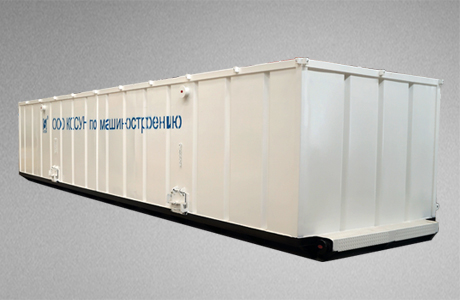
For restricted urban sites, verify footprint and dimensions, tank layout and maintenance access, weight and lifting requirements, hose and transfer space, and whether modular or split-tank construction is required. Compare skid-mounted, trailer-mounted, and modular systems against transport frequency, access restrictions, and rig-up/rig-down time. Confirm supply voltage, frequency, motor requirements, and electrical safety standards; specify ventilation or cooling for hot climates and insulation, heating, or freeze protection for freezing conditions; verify explosion-protection certification for hazardous locations.
Component and spare-parts review
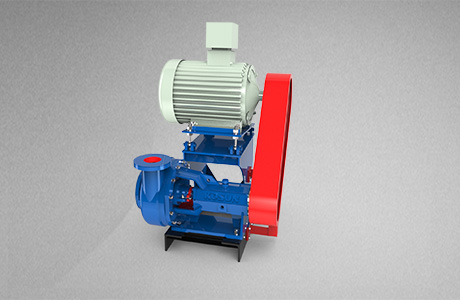
Check shale shaker screening capacity, mesh options, vibration adjustment, and screen availability. Evaluate hydrocyclone separation performance, wear materials, replaceable liners, apexes, and vortex finders. Confirm mud pumps support required circulation flow and agitators provide sufficient mixing for the tank configuration. Verify tank construction, corrosion protection, drainage, cleaning access, and fluid/additive compatibility. Confirm spare-part availability, lead times, and technical support for shaker screens, cyclone components, seals, and gaskets.
Environmental and cost factors
Solids separation supports fluid reuse, reduces freshwater and bentonite consumption, and lowers liquid waste volumes requiring transport and disposal — with actual savings dependent on ground conditions, fluid, configuration, operating practice, and local disposal costs. A recycling system does not make fluid discharge-ready or remove the need for waste treatment; confirm permits, fluid-handling requirements, and disposal regulations before work begins.
Compare total cost of ownership: purchase, transport, installation and commissioning, energy and water, consumables, replacement screens and wear parts, maintenance, downtime, and disposal. The most economical system meets treatment requirements without unnecessary capacity or complexity.
KOSUN's role
Xi'an KOSUN Machinery Co., Ltd. supplies solids control and drilling waste management equipment for HDD and other drilling fluid treatment applications, including shale shakers, desanders, desilters, decanter centrifuges, and integrated mud recycling systems. KOSUN configurations are specified against project data — mud pump flow, formation, bore profile, and site constraints — with commissioning assistance, operator training, troubleshooting support, spare parts, and equipment documentation.
Contact KOSUN with your drilling conditions, required processing capacity, and solids separation requirements to specify an HDD mud recycling system for your project.