Nov 23, 2026
In oil and gas exploration, the drilling fluid circulation system is the core of drilling operations, and the mud tank is its key equipment. It performs several indispensable functions at once: storing drilling fluid, supporting purification, enabling blending, and stabilizing the system that connects them all. This article examines each function and why the tank's role extends well beyond containment.

What a mud tank is made of
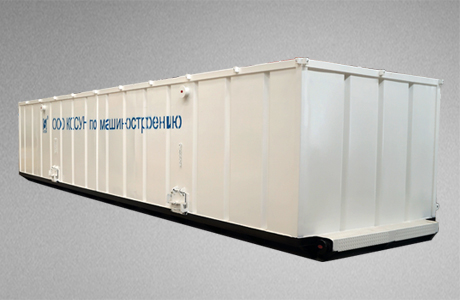
A mud tank comprises a tank body, mixing device, level control system, inlet and outlet pipelines, and connecting accessories. The tank body is fabricated from welded steel plate of sufficient strength for the service. The mixing device prevents solid particles from settling out of suspension. The level control system monitors fluid levels in real time, preventing overflow at one extreme and pump starvation at the other. These components are not independent additions, they work together, and the tank's performance depends on all of them functioning as a set.
How the system works
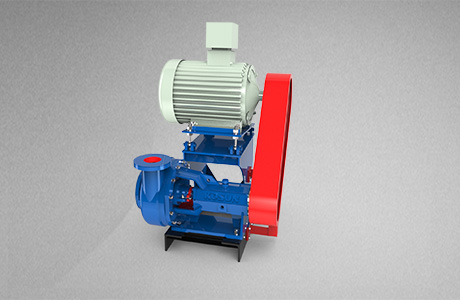
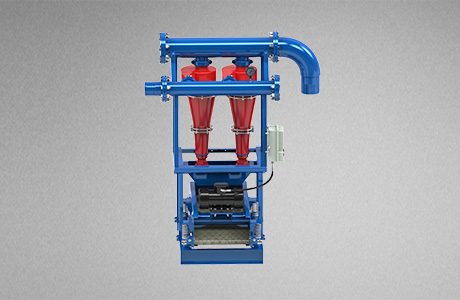
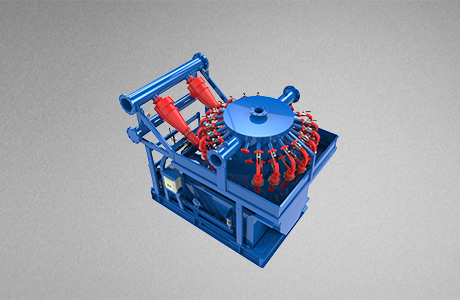
The mud tank supports five operating functions in sequence. It provides stable storage so drilling can continue without interruption. It supplies mud to the drill pipes via pumps, while the returning flow carries cuttings back and completes the circulation loop. Vibrating screens, desanders, and desilters mounted on the tanks remove cuttings and finer particles, improving mud purity. Operators adjust performance parameters such as viscosity and density by adding chemical treatment agents to suit different geological conditions. And level sensors monitor mud height, controlling pump operation to maintain stable levels throughout.
The four core roles
1. Drilling fluid storage
The primary role of the mud tank is to store large volumes of drilling fluid and ensure uninterrupted supply, in ultra-deep well drilling, storage capacity can reach thousands of cubic metres. The tank also provides emergency reserve for events such as well surges or leaks, allowing quick deployment to control downhole conditions.
2. Purification
During circulation, drilling fluid carries rock cuttings. Left in the system, these solids damage equipment. The tank works with vibrating screens, desanders, and desilters to separate solids effectively, improving fluid performance and service life. Purification also extends to the gas phase: harmful gases such as hydrogen sulphide (H₂S) and methane (CH₄) may dissolve in drilling fluid, so tanks are equipped with gas discharge devices such as breathing valves, and advanced tanks may include degassers for additional safety.
3. Drilling fluid blending
Drilling fluid performance must be adjusted to formation conditions. Barite is added to increase density, while chemical treatments adjust viscosity. Accurate mixing in the mud tank is what allows the fluid to meet the requirements of different drilling stages.
4. Stable support for system operation
The tank buffers pressure and flow fluctuations. When pump output increases, it temporarily stores the excess; when output decreases, it replenishes supply. This protects equipment and maintains stable circulation. The tank also serves as the connecting hub between vibrating screens, desanders, desilters, and mud pumps, enabling orderly fluid flow so that all equipment works together efficiently.
Conclusion
The mud tank is indispensable in the drilling fluid circulation system. It provides storage, purification, blending, and system stability, ensuring continuous supply, removing solids and harmful gases, enabling performance adjustment, and stabilizing pressure and flow. These functions combine to support safe and efficient drilling operations, and they are the reason tank design deserves the same engineering attention as the separation equipment it serves.