Jul 20, 2026
Slurry separation is a critical process in various industries, including mining, construction, wastewater treatment, and agriculture. It involves separating solid particles from a liquid medium, often water, to achieve desired outcomes like dewatering, resource recovery, or environmental compliance. Choosing the right slurry separation equipment is essential for optimizing efficiency, reducing costs, and ensuring environmental sustainability. KOSUN offers a comprehensive range of slurry separation solutions designed to meet the diverse needs of modern industrial operations.

Types of Slurry Separation Equipment
- Centrifuges: Utilizing centrifugal force, these machines separate solids from liquids based on density differences. They are highly efficient and suitable for fine particle separation. KOSUN's centrifuges are engineered for high-performance solid-liquid separation in demanding applications.
- Filter Presses: Employing pressure filtration, filter presses separate solids by forcing the slurry through filter cloths. They are ideal for high-volume applications and produce dry filter cakes.
- Belt Presses: Using a series of belts and rollers, belt presses dewater slurry by applying pressure and gravity. They are cost-effective and suitable for large-scale operations.
- Screw Presses: Employing a rotating screw within a cylindrical screen, screw presses separate solids by applying continuous pressure. They are compact and energy-efficient.
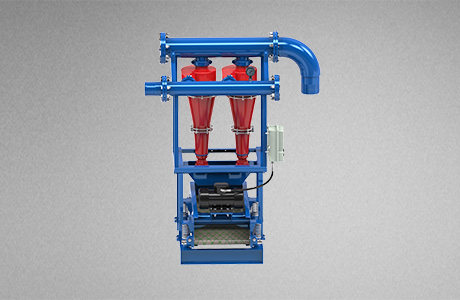
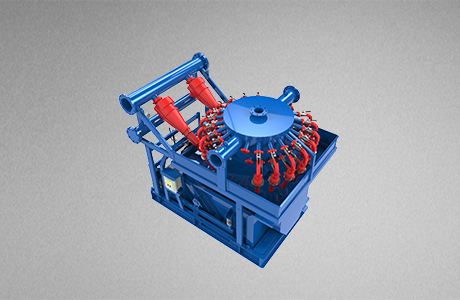
- Hydrocyclones: Utilizing centrifugal force within a conical chamber, hydrocyclones separate particles based on size and density. They are often used as pre-treatment devices. KOSUN's hydrocyclones are built with wear-resistant materials to ensure a long service life.
Factors to Consider When Choosing Slurry Separation Equipment
- Slurry Characteristics: Particle size, density, concentration, and viscosity significantly impact equipment selection. Understanding these properties is essential for choosing the right solution.
- Desired Output: The required moisture content of the separated solids and the clarity of the liquid effluent are crucial factors. KOSUN works closely with customers to define their specific output requirements.
- Capacity and Throughput: The volume of slurry to be processed per unit time determines the required equipment size and capacity. KOSUN offers a range of equipment sizes to match any operational scale.
- Operating Costs: Energy consumption, maintenance requirements, and labor costs should be considered for long-term economic viability. KOSUN's equipment is designed for energy efficiency and low maintenance.
- Environmental Regulations: Compliance with local environmental regulations regarding waste disposal and water discharge is essential. KOSUN's solutions support sustainable and compliant operations.
Benefits of Efficient Slurry Separation
- Reduced Disposal Costs: Separating solids from liquids minimizes waste volume, reducing disposal costs.
- Resource Recovery: Valuable materials can be recovered from the separated solids, promoting resource efficiency. KOSUN's equipment maximizes recovery rates.
- Improved Process Efficiency: Efficient slurry separation enhances downstream processes and overall operational efficiency.
- Environmental Protection: Proper slurry separation prevents contamination of water bodies and soil, ensuring environmental sustainability.
Conclusion
Slurry separation equipment is a vital investment for industries seeking to optimize operations, reduce costs, and achieve environmental compliance. By selecting the right equipment and working with a trusted partner like KOSUN, operators can maximize efficiency, recover valuable resources, and ensure sustainable operations.