Desilter in Drilling Rigs: Improving Efficiency and Reducing Equipment Wear
May 25, 2026
In today's demanding drilling environment, efficient solids control is essential for maintaining performance, protecting equipment, and controlling costs. As wells become deeper and more complex, ultra-fine solids increase significantly. These microscopic particles; too small for primary screening; can negatively affect drilling fluid properties and accelerate equipment wear. Within the surface circulation system, the desilter serves as a critical fine-solids removal unit, helping maintain fluid stability, improve the rate of penetration (ROP), and extend the life of pumps, downhole tools, and other components.
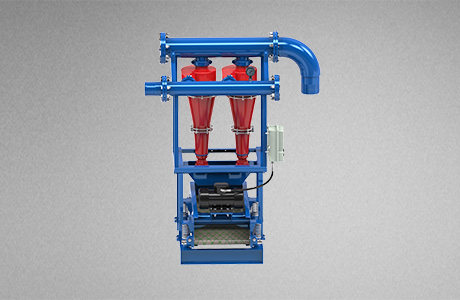
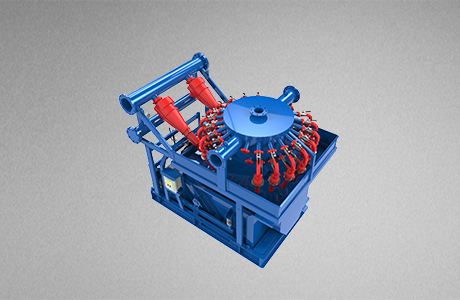
Hydrocyclone Technology for Efficient Separation Desilters operate using high-efficiency hydrocyclone technology, using centrifugal force instead of mechanical filtration. Drilling fluid enters the hydrocyclone tangentially at high velocity, creating a strong vortex. Centrifugal force pushes heavier particles (typically 15–44 microns ) toward the outer wall, where concentrated solids discharge through the bottom, while cleaned fluid exits through the top and returns to the circulation system. By removing abrasive fine solids, desilters maintain optimal mud viscosity, density, and lubrication properties — ensuring efficient cuttings transport, proper bit cooling, and stable wellbore conditions.
Improving Drilling Efficiency and Equipment Life
Effective desilting delivers multiple benefits: reduced equipment wear on mud pumps, valves, and downhole motors; improved drilling fluid stability; higher ROP due to optimized mud properties; lower non-productive time (NPT); and extended equipment life. In weighted mud systems, precise separation also helps retain valuable barite, reducing fluid replacement costs.
Integrated Systems for Modern Rig Requirements
With the adoption of closed-loop drilling systems and stricter environmental standards, integrated solids control solutions are now the industry trend. Desilters are often combined with desanders and mounted over shale shakers to form mud cleaners, which reduce rig footprint, improve separation efficiency, support offshore and mobile operations, and enable zero-discharge drilling. These systems are particularly effective with oil-based mud (OBM), synthetic-based mud (SBM), and other non-aqueous fluids.
Supporting Environmental Compliance
Modern drilling must minimize waste and environmental impact. Desilters contribute by producing drier solids for easier disposal, recovering reusable drilling fluid, reducing freshwater and chemical consumption, and supporting closed-loop fluid management. This lowers disposal costs and helps operators meet strict environmental regulations.
Conclusion
As drilling conditions become more challenging, effective fine-solids control is essential. High-quality desilters improve drilling efficiency, reduce costs, and support sustainable operations. With decades of industry experience, KOSUN continues to provide dependable, high-performance solids control solutions for drilling projects worldwide.