Jun 17, 2026
Mud tanks play a crucial role in the oil and gas industry, particularly in drilling operations. These specialized containers are designed to hold and manage drilling fluids, commonly referred to as mud. However, without proper operations and management, mud tanks can become a source of inefficiency, safety risks, and environmental liability. Therefore, understanding the challenges and implementing effective solutions is essential for drilling success.

Key Functions of Mud Tanks
Storage: Mud tanks primarily store drilling fluid. Therefore, maintaining an adequate reserve is critical to avoid delays and increased costs.
Mixing: To achieve desired mud properties, additives may be mixed on-site. Mud tanks often include mixing systems to adjust density and viscosity.
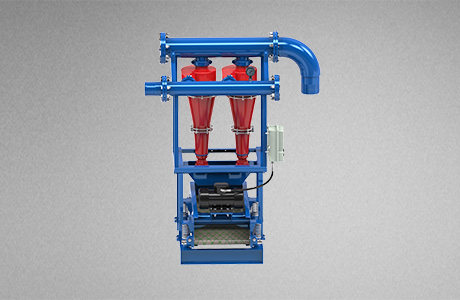
Separation: As drilling progresses, debris accumulates in the mud. Mud tanks use systems like shale shakers or centrifuges to separate solids from fluid, ensuring efficient circulation.
Environmental Protection: Proper mud tank management minimizes environmental impact by containing spills and facilitating safe disposal of used fluids.
Types of Mud Tanks
Conical Tanks: Feature a conical bottom for easier solids removal during separation.
Horizontal Tanks: Longer tanks are used for larger fluid volumes, often with multiple compartments.
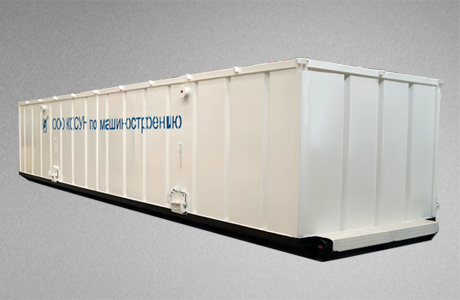
Skid-Mounted Tanks: Designed for portability, ideal for mobile drilling operations.
Common Challenges in Mud Tank Operations
Solids Accumulation: If solids are not properly removed, they settle at the bottom, reducing usable capacity and increasing wear on equipment.
Fluid Contamination: Without regular cleaning and inspection, drilling fluid can become contaminated, affecting performance and increasing costs.
Safety Risks: Mud tanks contain hazardous additives. If proper safety procedures are not followed, workers face health and injury risks.
Environmental Liability: Poorly maintained mud tanks can leak or spill, causing environmental damage and regulatory fines.
Solutions for Effective Mud Tank Management
Regular Maintenance: To address these challenges, operators must ensure tanks are properly sealed and that mixing and separation equipment functions correctly. Furthermore, routine inspections and cleaning prevent contamination.
Safety Procedures: When handling drilling mud, proper personal protective equipment (PPE) must be worn. Additionally, training should be provided to all personnel involved in mud tank operations.
Advanced Technology: Modern mud tanks are incorporating automated level controls, real-time monitoring, and improved separation systems to enhance efficiency and reduce risks.
Conclusion
Mud tanks are indispensable assets in drilling operations, providing reliable storage, management, and recycling of drilling fluids. However, without proper operations and management, they can become a source of inefficiency, safety risks, and environmental liability. Therefore, by implementing regular maintenance, safety procedures, and advanced technologies, operators can maximize mud tank performance, enhance drilling efficiency, and protect the environment.